AI-guided neuromodulation
Combining the power of biologically-inspired models and contemporary statistics
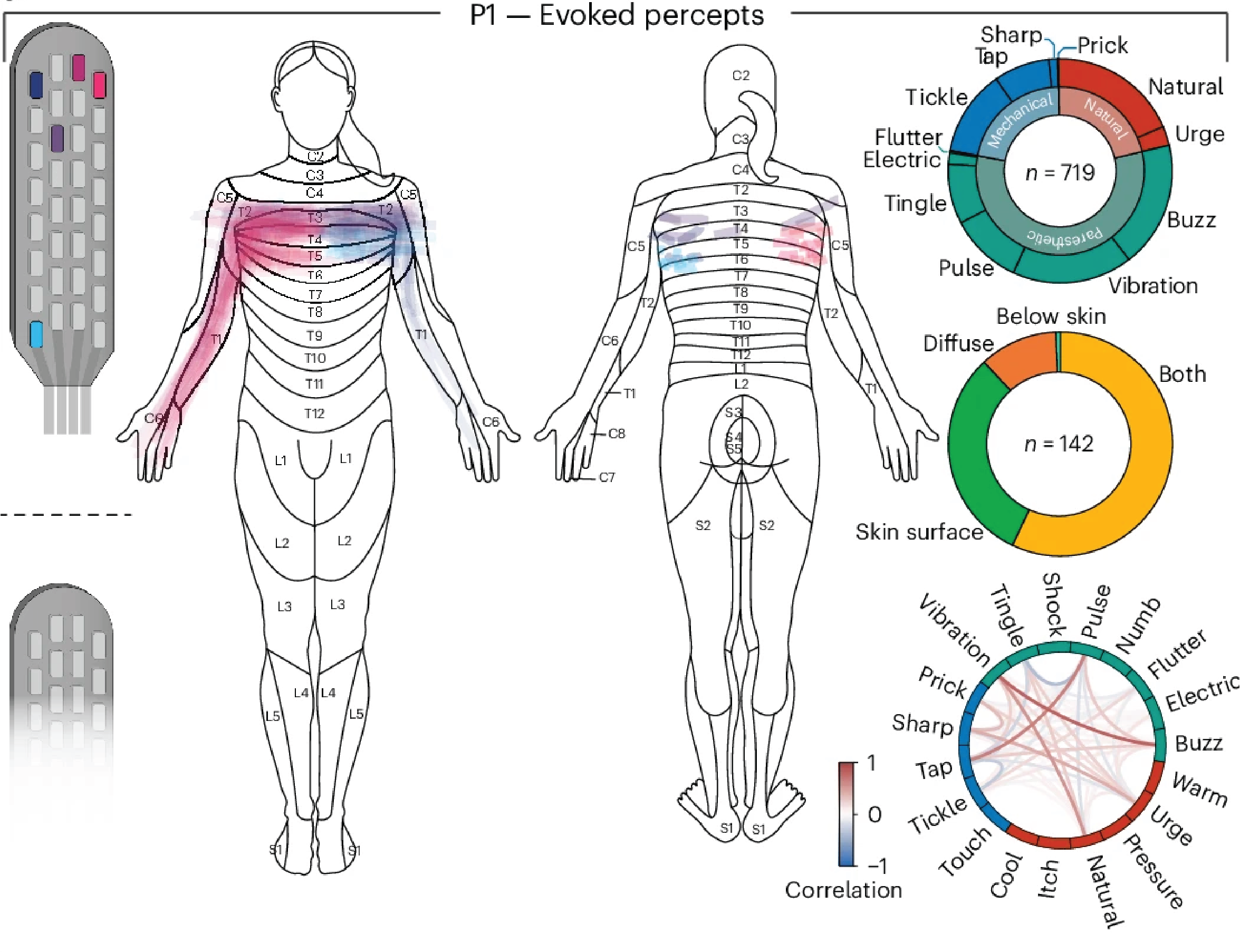
A natural outcome of building models whose internal representations mirror biological mechanisms is that they can serve as functional blueprints for neuroprosthetics and other neurotechnologies. I’ve had the opportunity to design AI pipelines that guide in vivo neuromodulation in a fully automated, data-driven, and rapid way. I’m very excited about this growing body of work (Govindarajan et al., 2022; Parker et al., 2025; Calvert et al., 2026).
References
2026
2025
- J. Neural Eng.An active electronic, high-density epidural paddle array for chronic spinal cord neuromodulationJournal of Neural Engineering, 2025
2022
- J. Neural Eng.
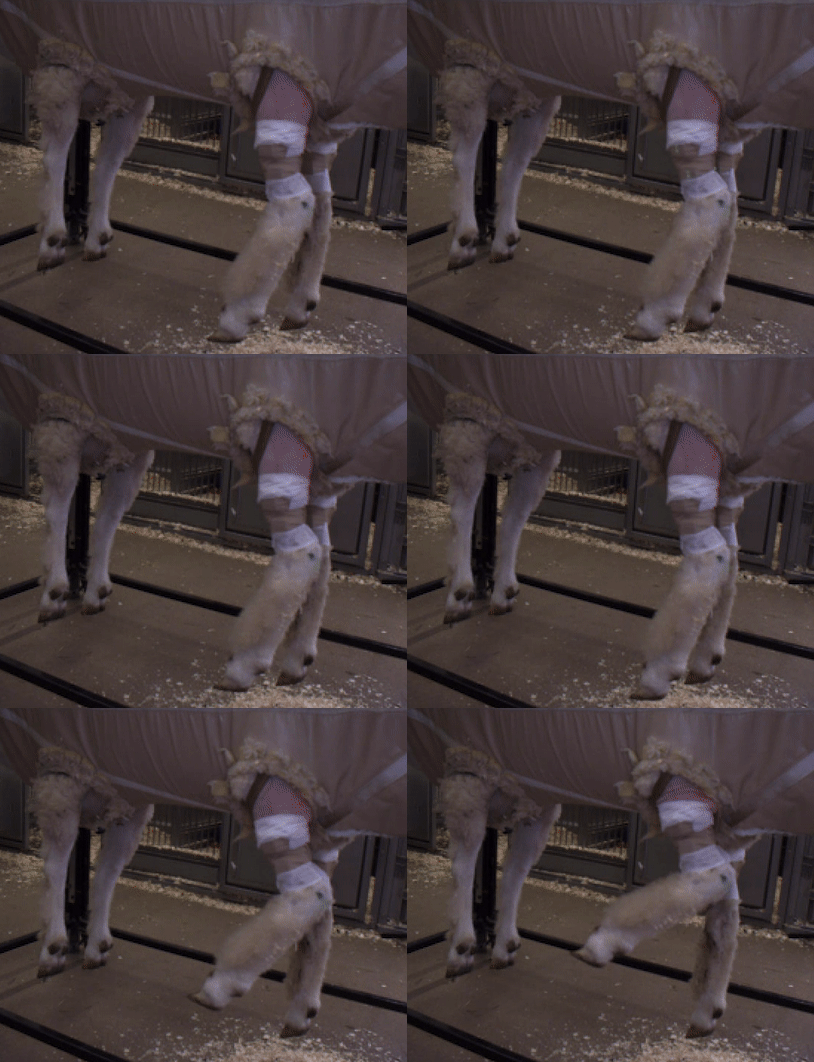 Fast inference of spinal neuromodulation for motor control using amortized neural networksJournal of neural engineering, 2022